Dog Care
Caring for your dog's health
Dogs are pack animals, and when you bring a new puppy into your home, you become the leader of the pack. It’s your job to provide complete dog care to ensure your pet avoids major dog health problems and leads a happy, fulfilling and long life.
Vaccinations and Vet Care
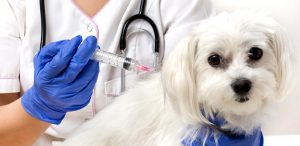
Regular veterinary checkups are an integral part of good dog health, and begin in puppyhood when your dog gets its first shots. Though some breeders sell puppies that have already been dewormed and given their first dog vaccines, it is your responsibility as a pet owner to make sure your canine has had all its scheduled shots.
After an initial vet visit, you should be fine bringing your pet in once a year for a checkup, unless you notice signs of any dog health problems. Take your dog to the doctor if you notice:
- Reddened, raised or loosened skin
- Unexplained weight loss or gain
- Unusually smelly ears
- Lethargy or loss of appetite
- Unexplained open wounds
- Sudden, sharp changes in personality or behavior
Dog Food and Strong Dog Health
While puppies require three meals a day, most adult dogs will do just fine with only breakfast and dinner. Choose a quality puppy food formulated specially for young dogs until your pet reaches one year of age, then switch it over to kibble or canned food, as you see fit. If you like, you can also make homemade dog food for your pet, but you should ask your veterinarian to provide you a list of essential nutrients that dogs need and good sources of those nutrients that a dog can eat and digest.
Common “people foods” which are toxic to dogs include chocolate, grapes and raisins, macadamia nuts, mushrooms, onions and garlic. Keep these out of reach of your dog, as most dogs will eat these foods if given the chance – after all, they don’t know they’re toxic!
If you choose to feed your dog table scraps, do so sparingly. Doing this in excess can promote obesity, and most human foods have salt and sugar levels that are unsafe for dogs. Ensure that your dog has access to fresh, clean water at all times.
Exercise
While different breeds have differing energy levels and exercise needs, dogs need at least half an hour of exercise every day – just like people do. Take your cue from your pet; if it has oodles of unspent energy left over after a short walk, find it some open space to run around in or extend the length of your walk. If you let your dog loose and it doesn’t seem interested in running free, don’t force it. It may be injured, tired or just plain spent.
Dog Care Advice on Grooming and Socialization
Both long-haired and short-haired dogs need a daily brushing to keep their coats free of dead hair, dirt and dander. Daily brushing also reduces your dog’s chances of getting fleas and helps you catch any suspicious skin conditions early. Your dog’s nails should not touch the ground when it’s standing normally, and if you want to trim your dog’s nails on your own, you’ll need to be instructed in the proper technique. Dogs have vital blood vessels in their nails, and a wayward snip can lead to significant pain and blood loss.
It’s important to socialize your dog, both with people and other dogs; they are very social animals, and any dog care information expert will tell you that social activity is crucial to good overall canine health. However, to avoid unwanted results of dog-to-dog social interaction, such as dog pregnancy or aggression, it’s a very good idea to have your pet spayed or neutered early in its life.
